

Introduction
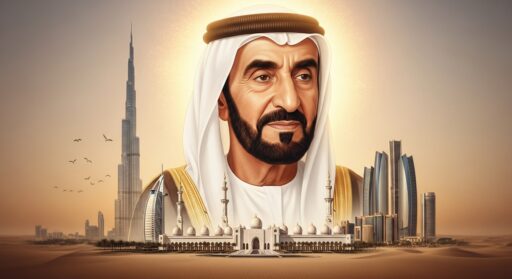
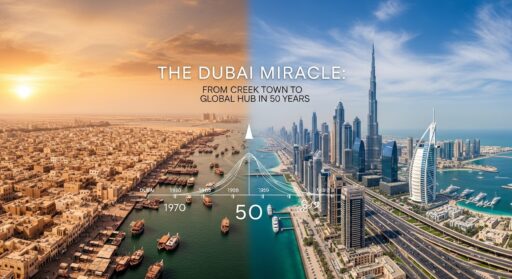
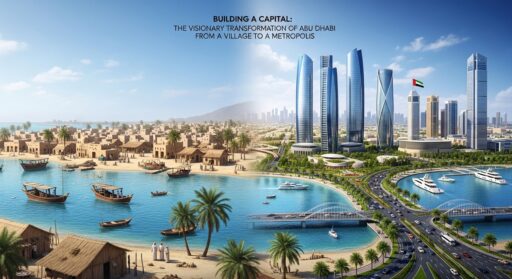
The United Arab Emirates’ journey since federation in 1971 represents one of the most rapid and comprehensive national transformations in modern history. This timeline of key milestones reveals the strategic vision and systematic execution that propelled the UAE from a developing federation to a global leader in multiple sectors, illustrating the nation’s remarkable capacity for reinvention and growth.
History
The UAE’s modern history can be divided into distinct developmental phases:
- Foundation Years (1971-1980): Establishing federal institutions and basic infrastructure
- Consolidation Era (1981-1999): Deepening economic diversification and social development
- Acceleration Phase (2000-2010): Launching globally significant projects and sectors
- Innovation Leadership (2011-Present): Positioning as a hub for future technologies and sustainable development
Key Features
Essential milestones include:
- 1971: Federation formation and admission to the United Nations
- 1970s: Launch of major infrastructure projects and free education/healthcare
- 1985: Establishment of Emirates Airline and Dubai Airports expansion
- 1996: Permanent Constitution ratification and Abu Dhabi Economic Vision 2030 launch
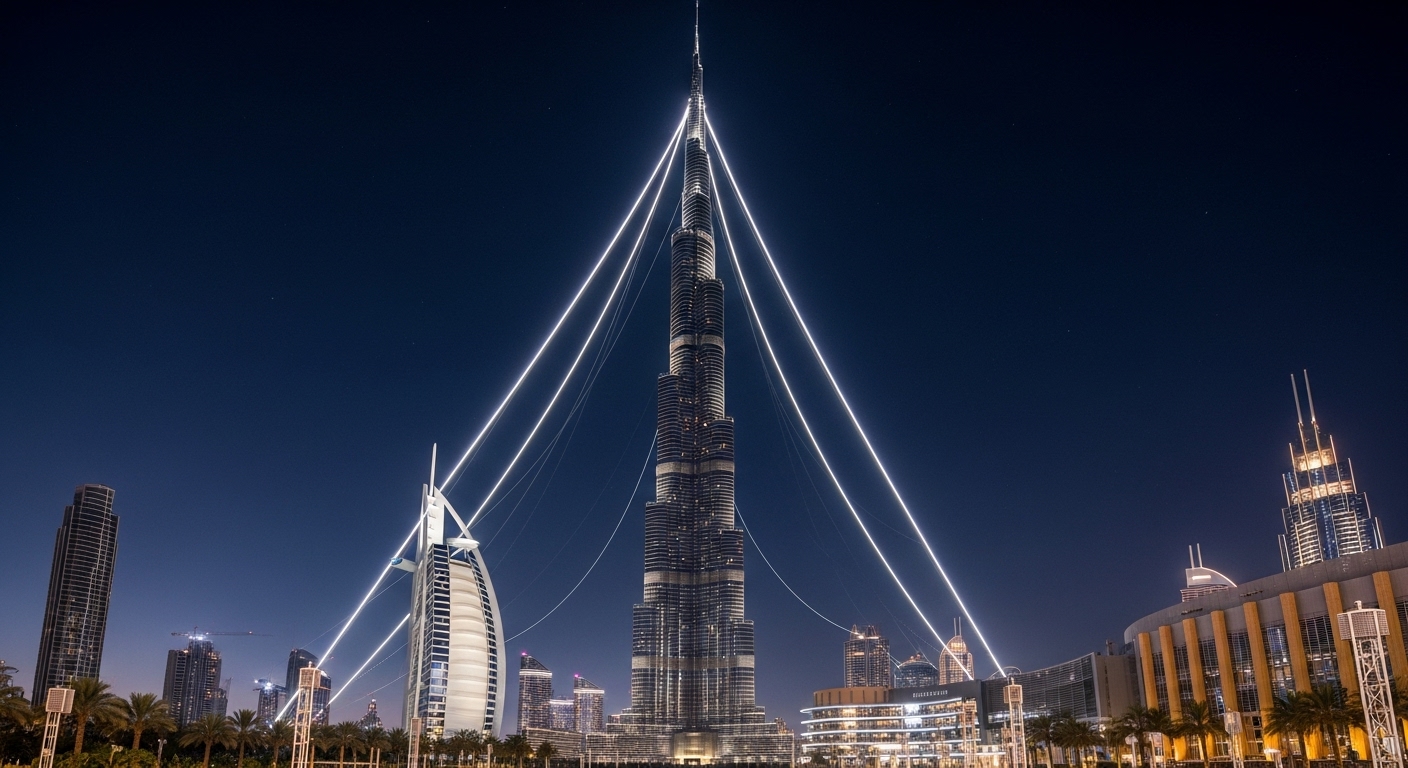
- 2000s: Burj Khalifa completion, nuclear energy program, and Mars Mission launch
- 2010s: Louvre Abu Dhabi opening, UAE Vision 2021, and COVID-19 management success
- 2020s: Expo 2020 Dubai, comprehensive economic partnerships, and Net Zero 2050 strategy
Cultural Significance
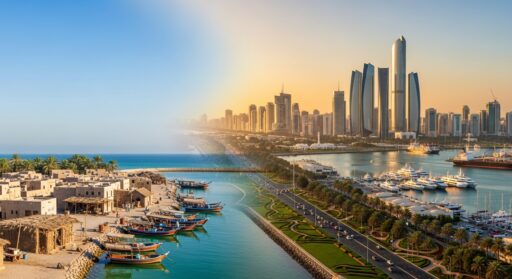
This timeline reflects the evolution of Emirati national identity—from tribal affiliations to cohesive citizenship, from regional outlook to global engagement. Each milestone represents not just material progress but the strengthening of national institutions, the expansion of human capabilities, and the growing confidence in the UAE’s role on the world stage. The consistent theme across decades is the balance between preserving cultural heritage and embracing innovation.
Modern Relevance
Understanding this historical progression is crucial for appreciating the UAE’s current global position and future ambitions. The nation’s success stems from building each achievement upon previous foundations while maintaining strategic flexibility to adapt to changing global circumstances. The timeline demonstrates the effectiveness of long-term planning combined with pragmatic execution—a model that continues to guide the UAE’s approach to new challenges and opportunities in the 21st century.
Conclusion
The UAE’s timeline of transformation is more than a record of achievements—it is a roadmap of visionary leadership and national determination. From the cautious first steps of a new federation to confident strides as a global innovator, each milestone represents the collective will of a people united behind a shared destiny. As the UAE continues to add new chapters to this remarkable story, its history suggests that the nation’s greatest transformations may still lie ahead, built on the solid foundation of five decades of unprecedented achievement.