


Introduction
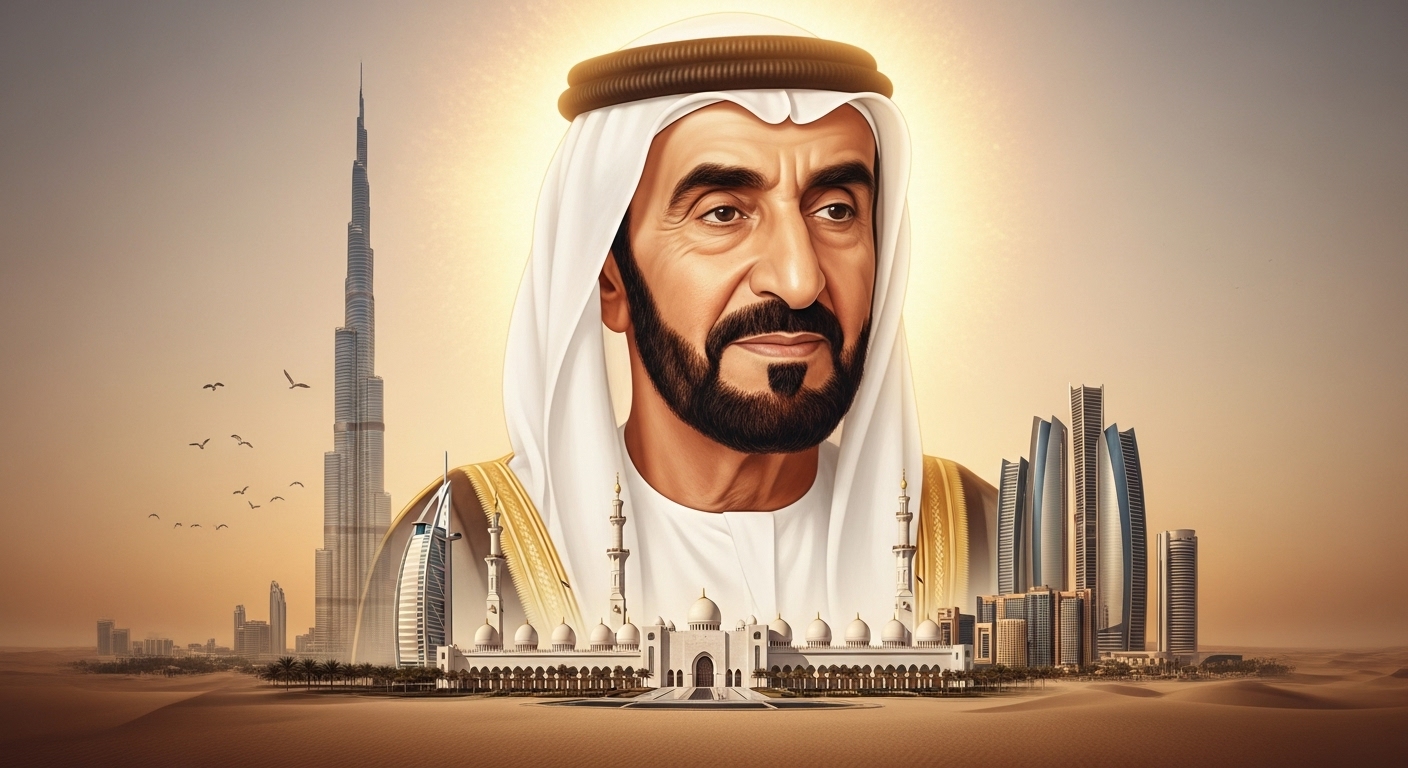
Sheikh Zayed bin Sultan Al Nahyan, the founding father of the United Arab Emirates, stands as one of the most transformative leaders in modern Arab history. His vision, wisdom, and profound humanity guided the UAE from a collection of separate emirates into a unified, modern nation respected worldwide. His legacy continues to shape the nation’s character and development trajectory decades after his passing.
History
Born around 1918 in Abu Dhabi, Sheikh Zayed spent his formative years in Al Ain, where he developed a deep understanding of Bedouin life and desert survival. He served as Ruler’s Representative in the Eastern Region from 1946 to 1966, during which he initiated numerous development projects. Becoming Ruler of Abu Dhabi in 1966, he immediately began using oil revenues for comprehensive development. His crowning achievement came in 1971 when he united seven emirates into the UAE, serving as President until his death in 2004.
Key Features
Sheikh Zayed’s leadership was characterized by several fundamental principles:
- Inclusive Governance: His famous open majlis where any citizen could seek audience
- Environmental Stewardship: His personal passion for greening the desert and wildlife conservation
- Social Justice: Ensuring oil wealth benefited all citizens through education, healthcare, and housing
- Cultural Preservation: Protecting heritage while embracing beneficial modernization
- Women’s Empowerment: Early support for women’s education and participation in society
Cultural Significance
Sheikh Zayed embodied the values that continue to define Emirati national character: generosity, wisdom, tolerance, and foresight. His leadership style blended traditional Bedouin consultation (shura) with modern statecraft, creating a unique model of governance. His deep religious faith and commitment to Islamic values guided his policies, while his openness to other cultures and ideas positioned the UAE as a bridge between civilizations. The concept of “Zayed’s Legacy” remains a living reference point for national development and ethical leadership.
Modern Relevance
Sheikh Zayed’s vision continues to guide the UAE through the leadership of his successors. His principles of sustainable development inform current environmental policies, his commitment to education drives innovation investments, and his model of tolerance shapes the nation’s multicultural society. The Zayed Humanitarian Fund and other institutions continue his philanthropic work globally. Understanding Sheikh Zayed’s philosophy is essential to comprehending the UAE’s contemporary success and future direction.
Conclusion
Sheikh Zayed bin Sultan Al Nahyan was more than a political leader—he was the moral and spiritual compass of a nation. His ability to envision a prosperous future while remaining rooted in traditional values created the foundation for the UAE’s remarkable achievements. As the nation continues to advance, it does so following the path he charted—one of unity, progress, compassion, and global cooperation. His legacy proves that the most enduring development is that which balances material progress with human values and environmental responsibility.