

Introduction
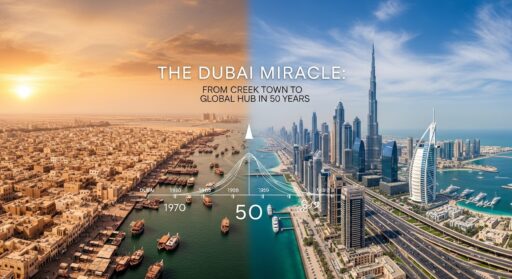
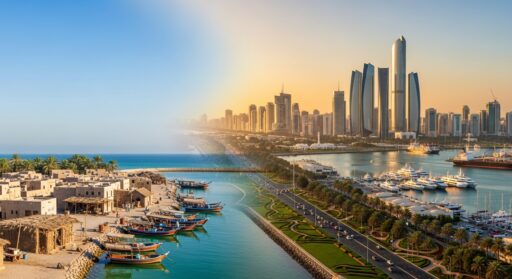
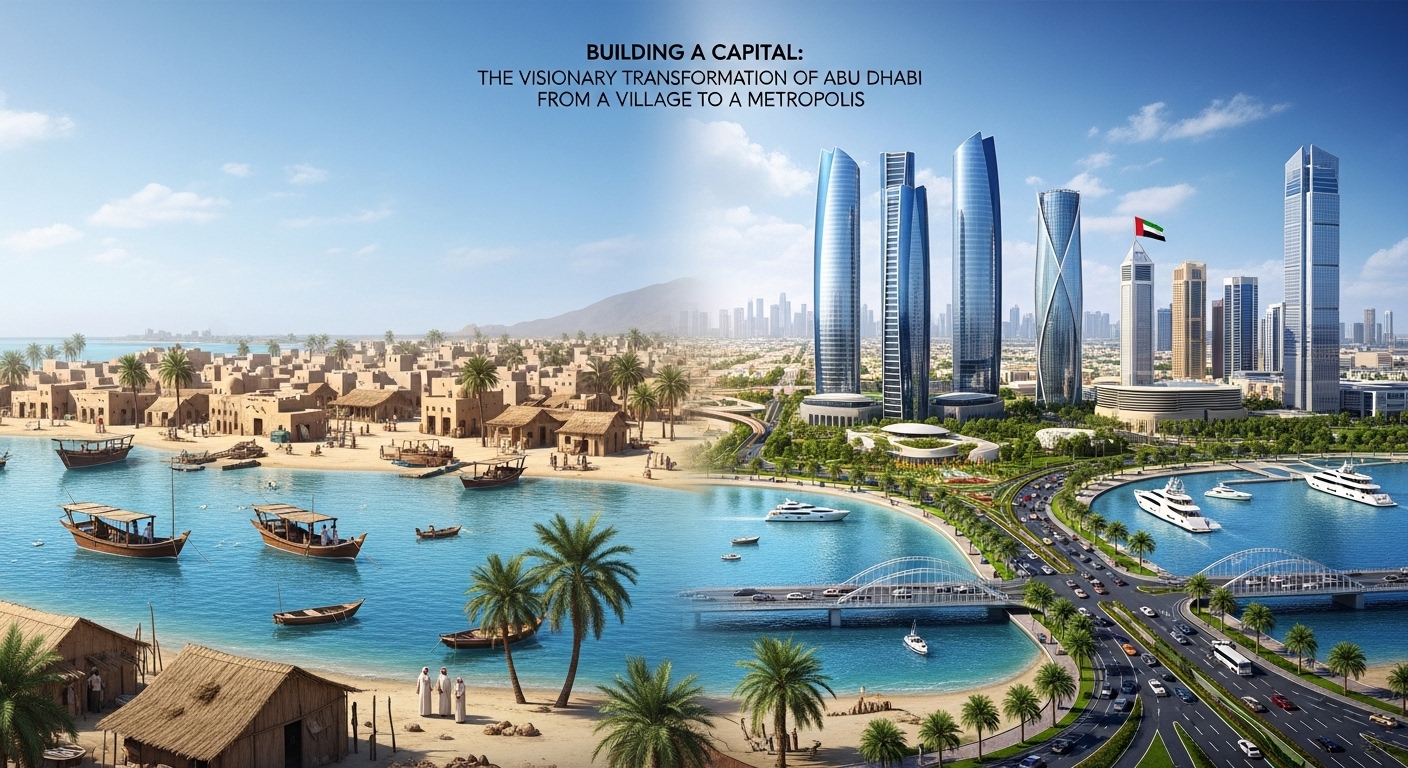
The transformation of Abu Dhabi from a small pearling village to a modern global capital represents one of the most dramatic urban development stories of the 20th century. In just over five decades, the city evolved from a settlement of barasti huts to a sophisticated metropolis, embodying the visionary leadership and ambitious planning that has characterized the UAE’s development journey.
History
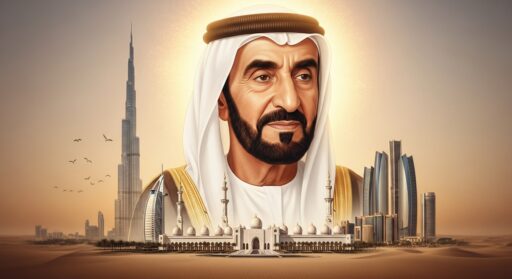
Before the oil era, Abu Dhabi was a modest settlement centered around Qasr Al Hosn, the historic fort that served as the ruler’s residence. The discovery of oil in the 1960s initiated rapid change, but it was under Sheikh Zayed’s leadership that the city’s systematic development began. The first master plan in 1968, created by Egyptian architect Abdulrahman Makhlouf, established the grid pattern and garden city concept that still defines central Abu Dhabi today. Subsequent decades saw exponential growth, with each phase building on the previous one to create the modern capital.
Key Features
Key elements of Abu Dhabi’s transformation include:
- Island City Planning: Strategic development of the natural island location with connecting bridges and tunnels
- Green Vision: Sheikh Zayed’s insistence on extensive parks and tree-lined streets, earning the nickname “Garden City of the Gulf”
- Cultural District: Creation of Saadiyat Island as a global cultural hub with world-class museums
- Government Zone: Development of a dedicated area for federal institutions
- Modern Landmarks: Construction of iconic structures like the Sheikh Zayed Grand Mosque and Etihad Towers
Cultural Significance
Abu Dhabi’s development reflects a careful balance between modernization and cultural preservation. While embracing contemporary architecture and urban planning, the city has maintained its Arab-Islamic character through architectural guidelines that incorporate traditional elements. The preservation of heritage areas like Qasr Al Hosn and the Cultural Foundation alongside ultra-modern developments demonstrates the emirate’s commitment to honoring its past while building its future.
Modern Relevance
Today, Abu Dhabi stands as a model of sustainable urban development, with its Plan 2030 guiding continued growth that balances economic, social, and environmental considerations. The city has become a global hub for energy, finance, and culture, while maintaining the quality of life that reflects its founding principles. The successful transformation offers valuable lessons in urban planning for rapidly developing cities worldwide, particularly in managing growth while preserving cultural identity and environmental assets.
Conclusion
The story of Abu Dhabi’s rise from a desert outpost to a global capital is a testament to visionary leadership and strategic planning. The city’s development mirrors the broader UAE narrative of rapid transformation guided by clear vision and respect for heritage. As Abu Dhabi continues to evolve, it remains grounded in the principles that guided its initial transformation—sustainability, cultural authenticity, and ambitious vision—ensuring its enduring role as the proud capital of the United Arab Emirates.