

Introduction
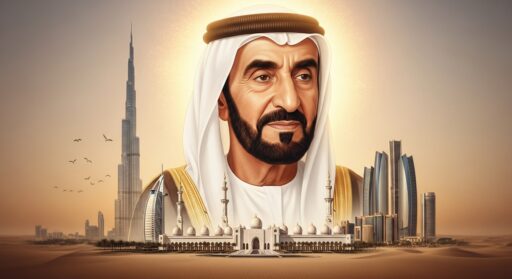
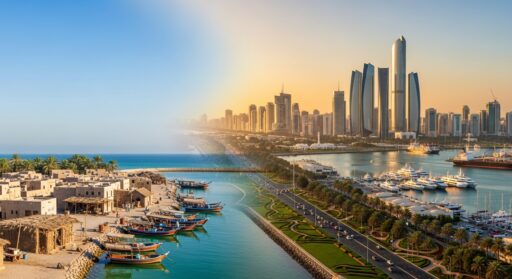
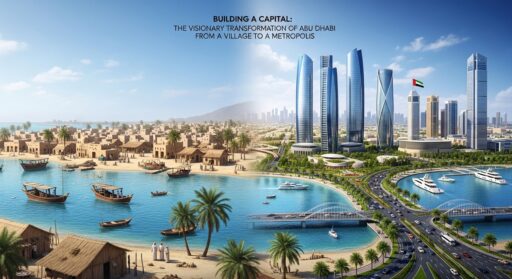
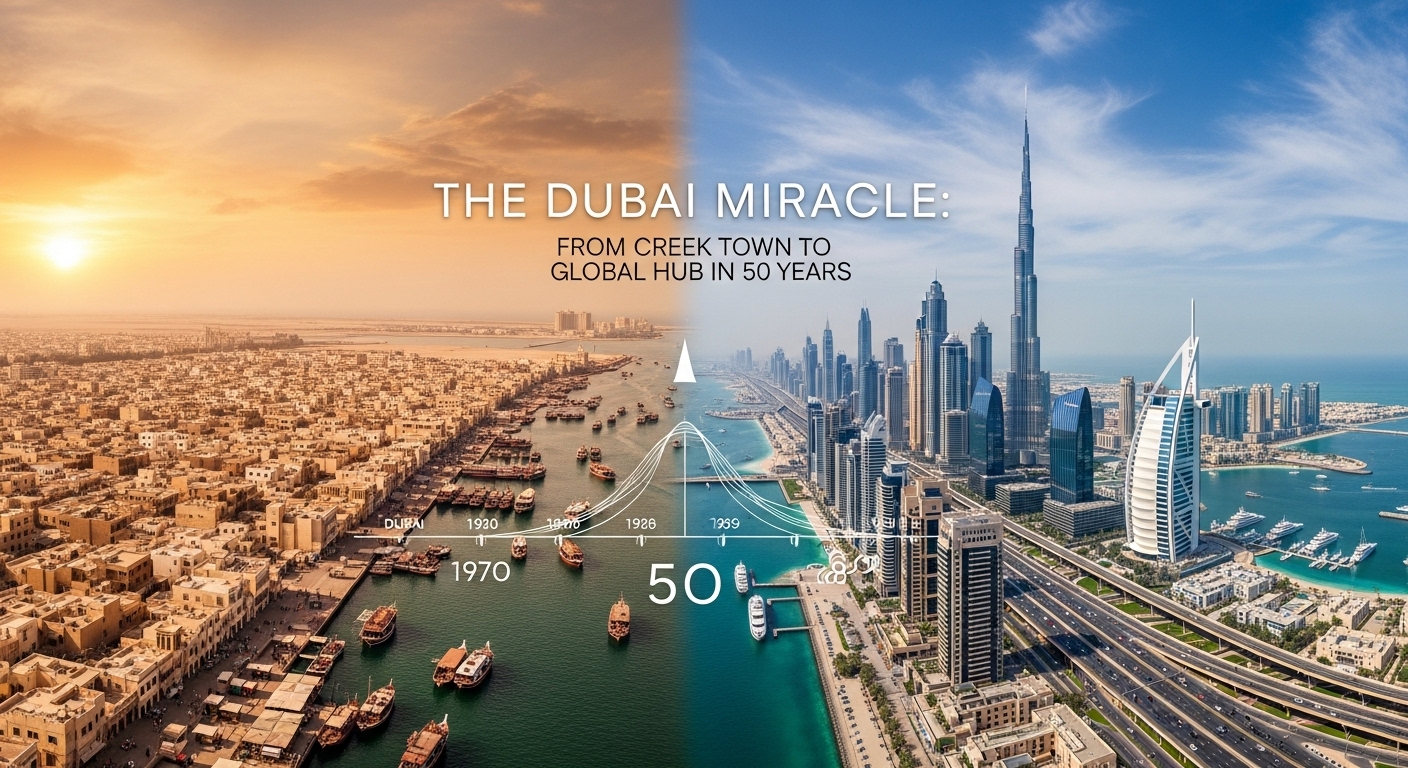
Dubai’s transformation from a modest trading port to a global metropolis represents one of the most extraordinary urban and economic development stories of our time. In just five decades, the city has reinvented itself multiple times, evolving from a regional trade center to an international hub for commerce, tourism, and innovation, setting new standards for urban ambition and execution.
History
Dubai’s modern evolution began with its natural advantage as a deep-water creek, which established its historical role as a trading center. The visionary leadership of the late Sheikh Rashid bin Saeed Al Maktoum in the 1960s and 1970s initiated the first major infrastructure projects, including the dredging of the creek and construction of Port Rashid. The 1980s saw the establishment of Jebel Ali Port and Free Zone, while the 1990s brought strategic diversification into tourism. The 21st century has witnessed an acceleration of iconic projects that have redefined the city’s global profile.
Key Features
Key phases of Dubai’s development include:
- Trade Foundation (1960s-1970s): Enhancing natural trading advantages through port development
- Diversification Era (1980s-1990s): Establishing free zones and launching Emirates Airline
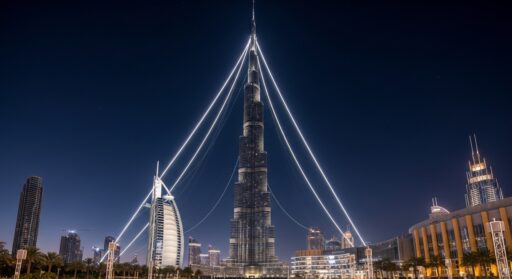
- Tourism Boom (2000-2010): Creating landmark projects like Burj Al Arab and Palm Jumeirah
- Global Hub (2010-Present): Developing mega-projects and positioning as a smart city and innovation center
Cultural Significance
Dubai’s growth reflects a unique blend of Bedouin entrepreneurial spirit and global ambition. The city has maintained its Arab-Islamic identity while embracing international influences, creating a multicultural environment that has become one of its greatest strengths. This balancing act between tradition and modernity is visible throughout the city, from the preserved heritage areas of Al Fahidi to the ultramodern Dubai Marina, representing the emirate’s ability to honor its past while racing toward the future.
Modern Relevance
Today, Dubai serves as a global model for economic diversification and urban innovation. Its success in transforming from an oil-dependent economy to a multifaceted hub has inspired similar strategies worldwide. The city continues to pioneer new sectors, from space exploration and artificial intelligence to sustainable technology and digital economy. Dubai’s ability to anticipate global trends and adapt quickly positions it as a leading city of the 21st century, while its experience in managing rapid growth provides valuable insights for developing cities globally.
Conclusion
The “Dubai Miracle” is not merely about spectacular buildings or economic statistics—it is the story of a city that consistently defies conventional limitations through vision, strategic planning, and relentless execution. Dubai has demonstrated that geographic size and natural resources need not determine destiny when complemented by ambitious vision and pragmatic leadership. As it continues to evolve, Dubai remains a living laboratory for urban development and economic innovation, writing new chapters in the story of what cities can achieve.