

Introduction
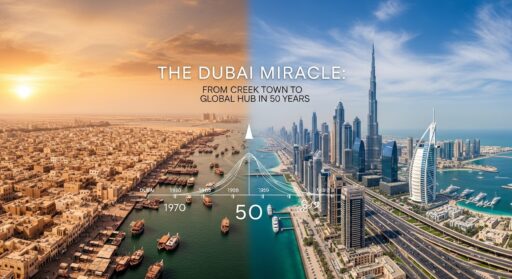
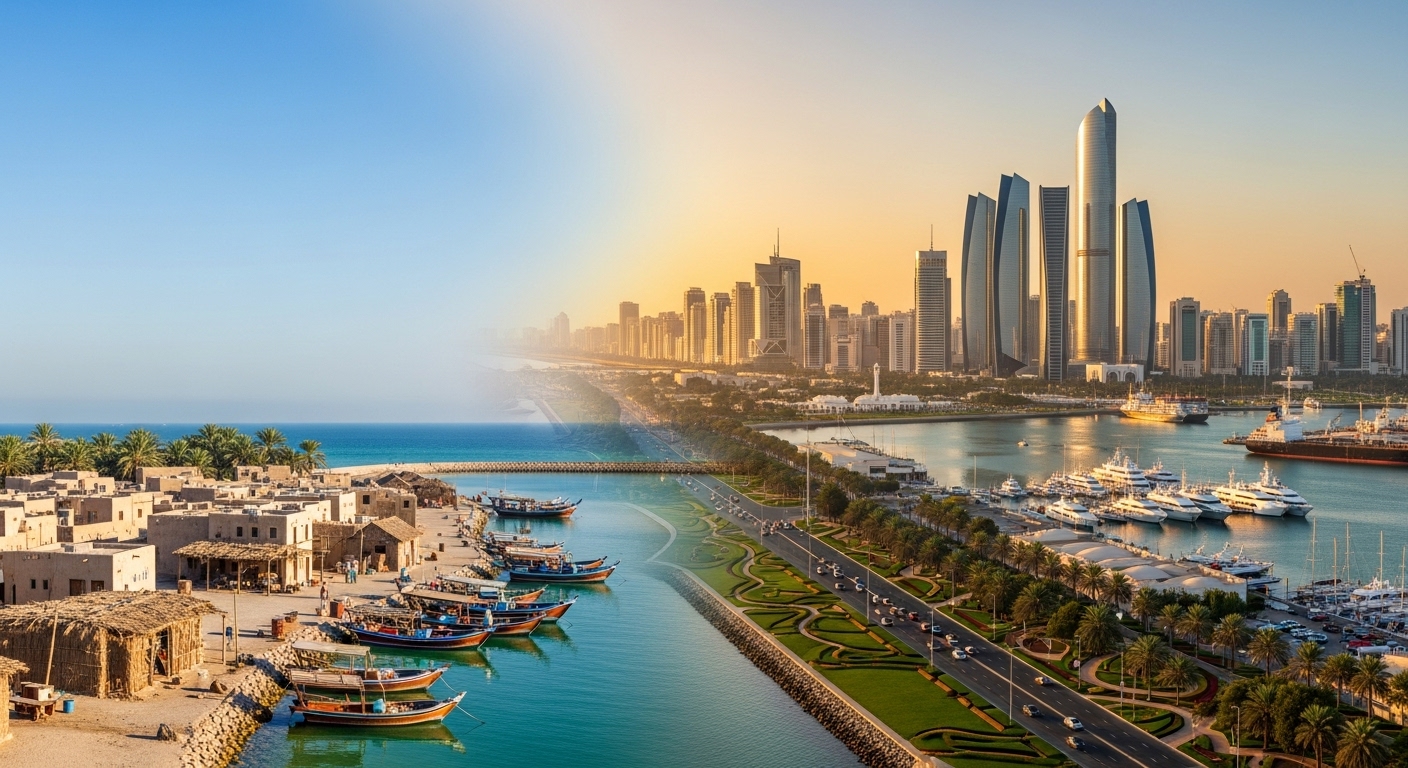
The formation of the United Arab Emirates on December 2, 1971, stands as one of the most significant political achievements in modern Arab history. This momentous event transformed seven separate emirates into a unified federal state, creating a nation that would become a model of stability and prosperity in the region. The union represented the culmination of years of negotiation, visionary leadership, and shared destiny among the Trucial States.
History
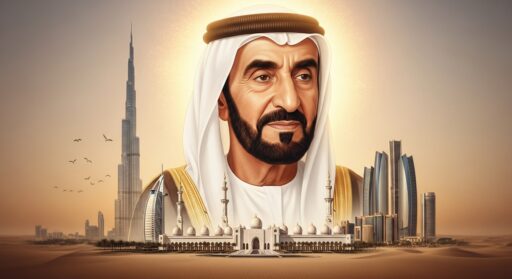
The path to federation began against a backdrop of regional change. As British protection ended, the emirates faced crucial decisions about their future. Sheikh Zayed bin Sultan Al Nahyan of Abu Dhabi and Sheikh Rashid bin Saeed Al Maktoum of Dubai emerged as the primary architects of unity, recognizing that collective strength offered the best path forward. After complex negotiations that began in 1968, six emirates (Abu Dhabi, Dubai, Sharjah, Ajman, Umm Al Quwain, and Fujairah) formally united on December 2, 1971. Ras Al Khaimah joined the federation in early 1972, completing the seven-emirate union we know today.
Key Features
The union’s establishment involved several critical elements:
- Federal Structure: A delicate balance between emirate autonomy and federal authority
- Provisional Constitution: Establishing the framework for governance until a permanent constitution was ratified in 1996
- Supreme Council: Comprising the rulers of each emirate as the highest federal authority
- Distribution of Roles: Abu Dhabi as capital and Dubai as commercial hub
- Resource Sharing: Agreement on sharing oil revenues for national development
Cultural Significance
The creation of the UAE represented more than political unification—it forged a new national identity while respecting tribal and emirate-specific traditions. The union transformed local identities into a collective national consciousness, creating the concept of “Emirati” as a unifying identity. This federation model successfully balanced Bedouin traditions of consultation (shura) with modern state administration, creating a unique governance model that has maintained stability for over five decades.
Modern Relevance
The wisdom of the union’s founders continues to guide the UAE today. The federal structure has proven adaptable, allowing each emirate to develop its unique strengths while benefiting from collective security and shared vision. December 2 remains the most important national holiday, celebrated with deep patriotic fervor. The success of the UAE’s federal model has made it a reference point for regional cooperation and nation-building, demonstrating how diverse entities can unite around common goals while preserving local character.
Conclusion
The Union of 1971 represents a masterpiece of political vision and pragmatic statecraft. Against significant odds and regional uncertainties, the founding fathers created a nation that has exceeded all expectations. Their legacy continues to inspire current and future generations, serving as a powerful reminder that unity, foresight, and shared purpose can transform separate destinies into a common future of unprecedented achievement and global significance.